



How to Fix Frizzy Hair: The Complete Science-Backed Guide for Smooth Hair

Frizz is not a cosmetic flaw. It is a structural reaction.
If your hair expands, feels rough, loses definition, or reacts immediately to humidity, what you are seeing is fiber behavior driven by physics and chemistry.
This guide explains exactly how to fix frizzy hair by understanding what happens inside the strand and how to correct it strategically.
What Causes Frizzy Hair at the Structural Level
Frizz appears when the cuticle, the outer protective layer of the hair fiber, becomes raised or compromised.
The Anatomy of a Hair Strand
Each strand contains three main layers:
- Cuticle: the protective shield composed of overlapping cells
- Cortex: the internal structure responsible for strength and moisture balance
- Medulla: the inner core, not present in all hair types
When the cuticle lifts, environmental moisture penetrates the cortex. The cortex absorbs water unevenly. This creates irregular swelling and changes the strand shape. The visible result is frizz.
The Real Issue: Moisture Imbalance
Frizz is often described as dryness. In reality, it is usually a moisture regulation problem.
Healthy hair maintains equilibrium between:
- Water content
- Protein structure
- Lipid barrier protection
If hydration enters without a proper sealing layer, expansion occurs unpredictably. That expansion disrupts alignment between fibers, leading to rough texture and flyaways.
How to Fix Frizzy Hair Step by Step
1. Restore Cuticle Integrity
Look for conditioners and deep treatments containing:
- Ceramides
- Hydrolyzed keratin
- Silk amino acids
- Panthenol
These ingredients reinforce weak areas and help smooth the cuticle surface.
2. Rebuild the Lipid Barrier
Hair naturally contains lipids that protect against moisture fluctuation. Damage strips these lipids away.
Effective sealing ingredients include:
- Argan oil
- Jojoba oil
- Squalane
- Dimethicone for humidity resistance
3. Control Humidity Exposure
Anti humidity polymers form a microscopic film around the strand. This reduces moisture exchange with the environment and stabilizes shape.
4. Reduce Mechanical Stress
- Use microfiber towels instead of cotton
- Sleep on silk or satin pillowcases
- Avoid aggressive brushing when hair is dry
Professional Anti Frizz Routine
- Use a moisture balancing shampoo two to three times per week
- Apply a repair focused conditioner with ceramides
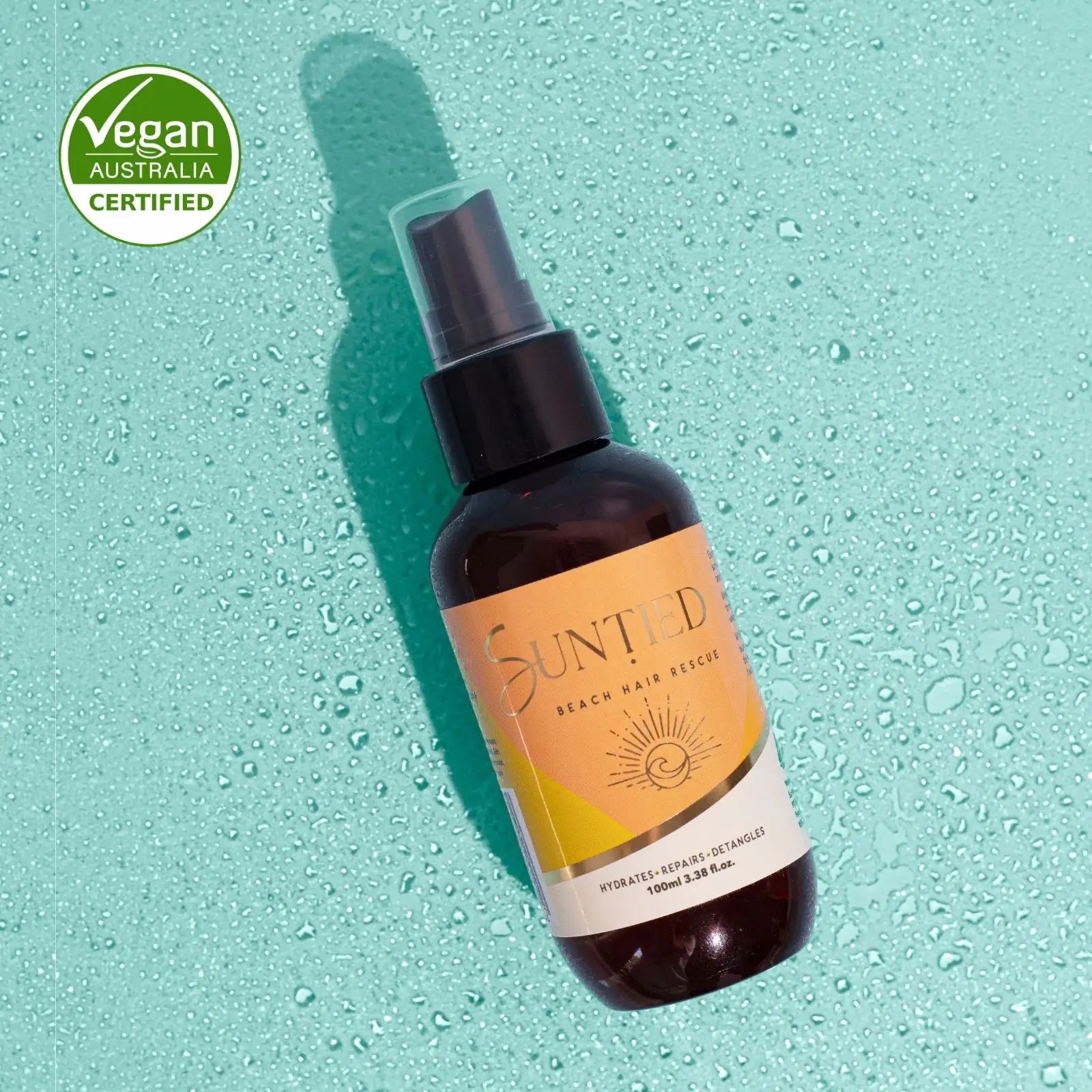
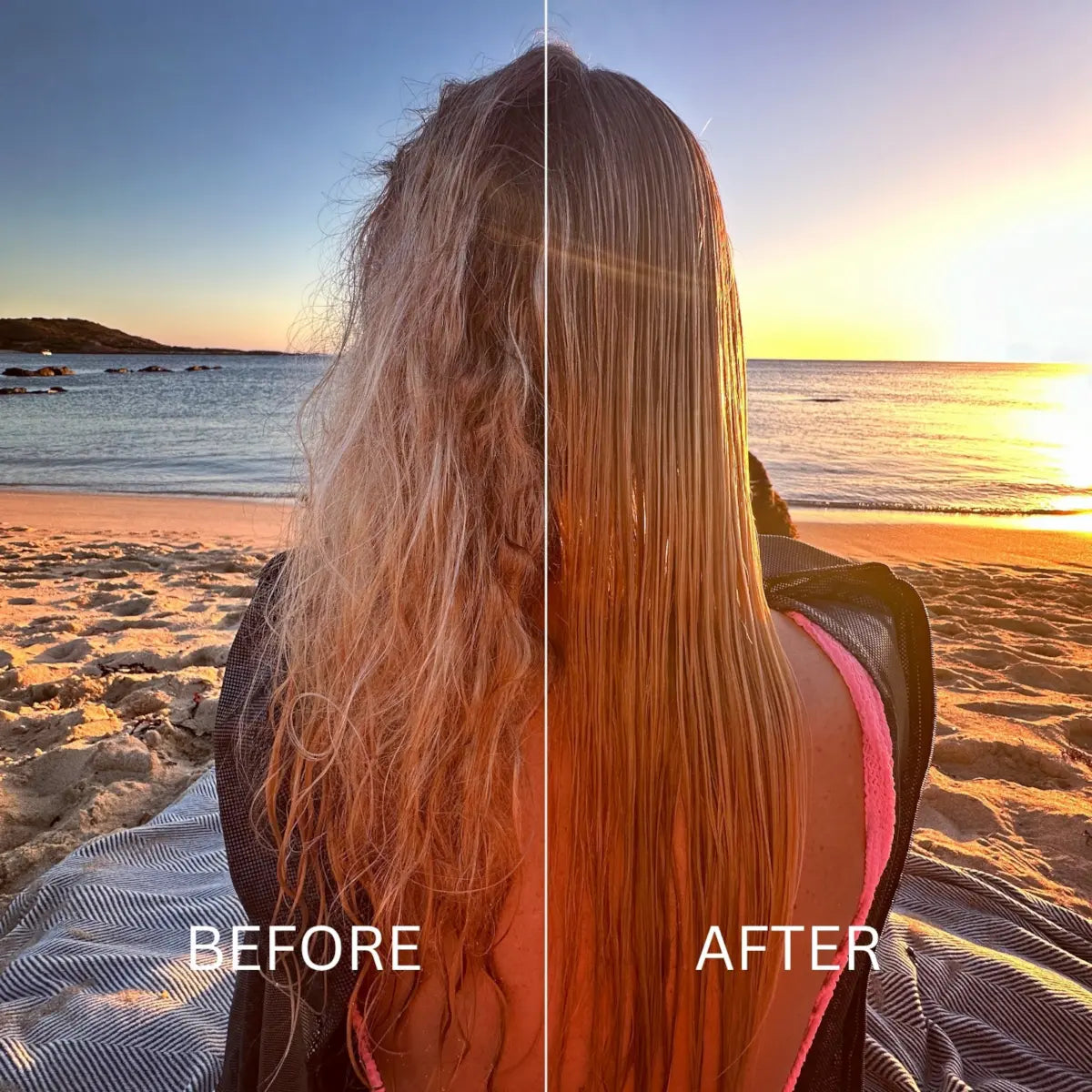
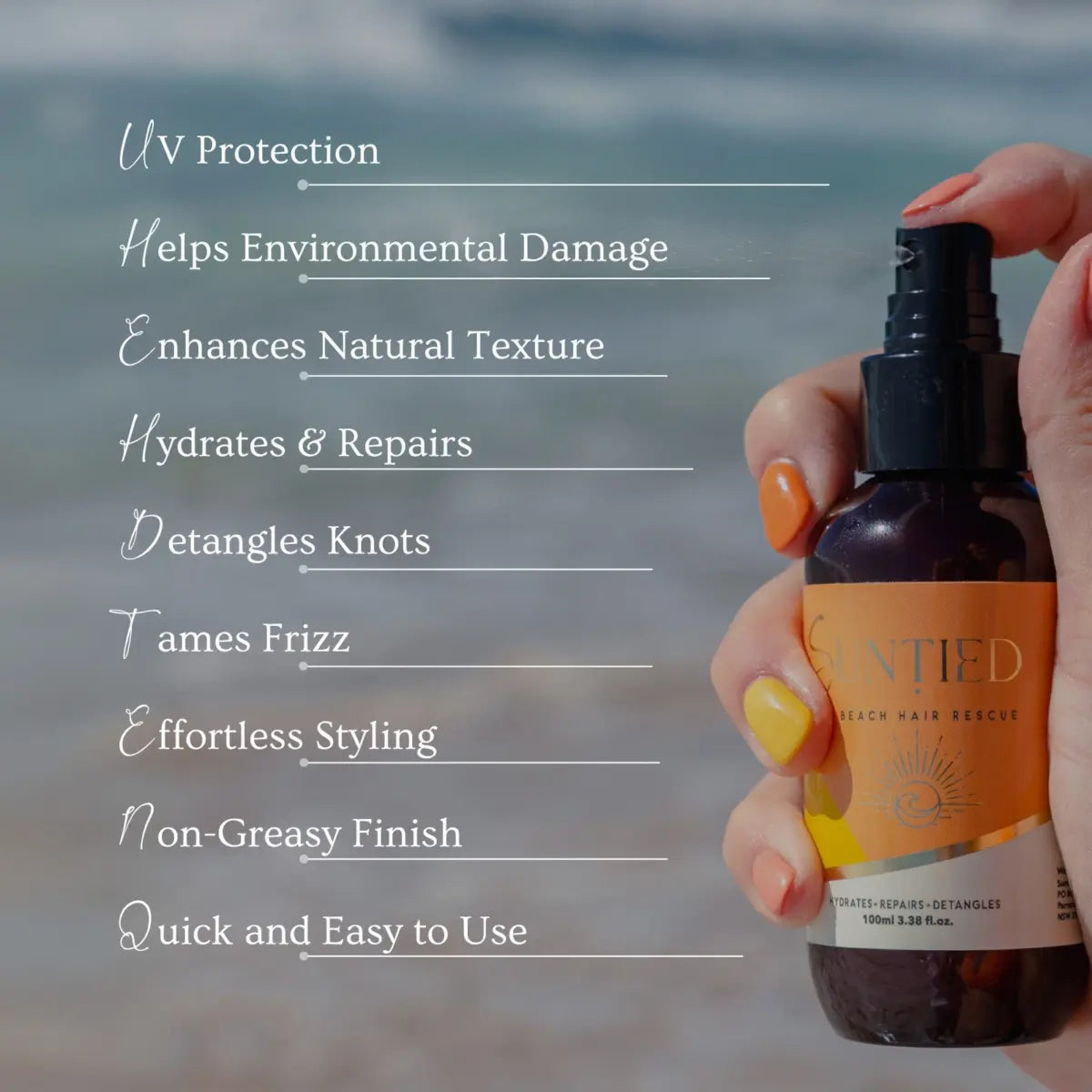
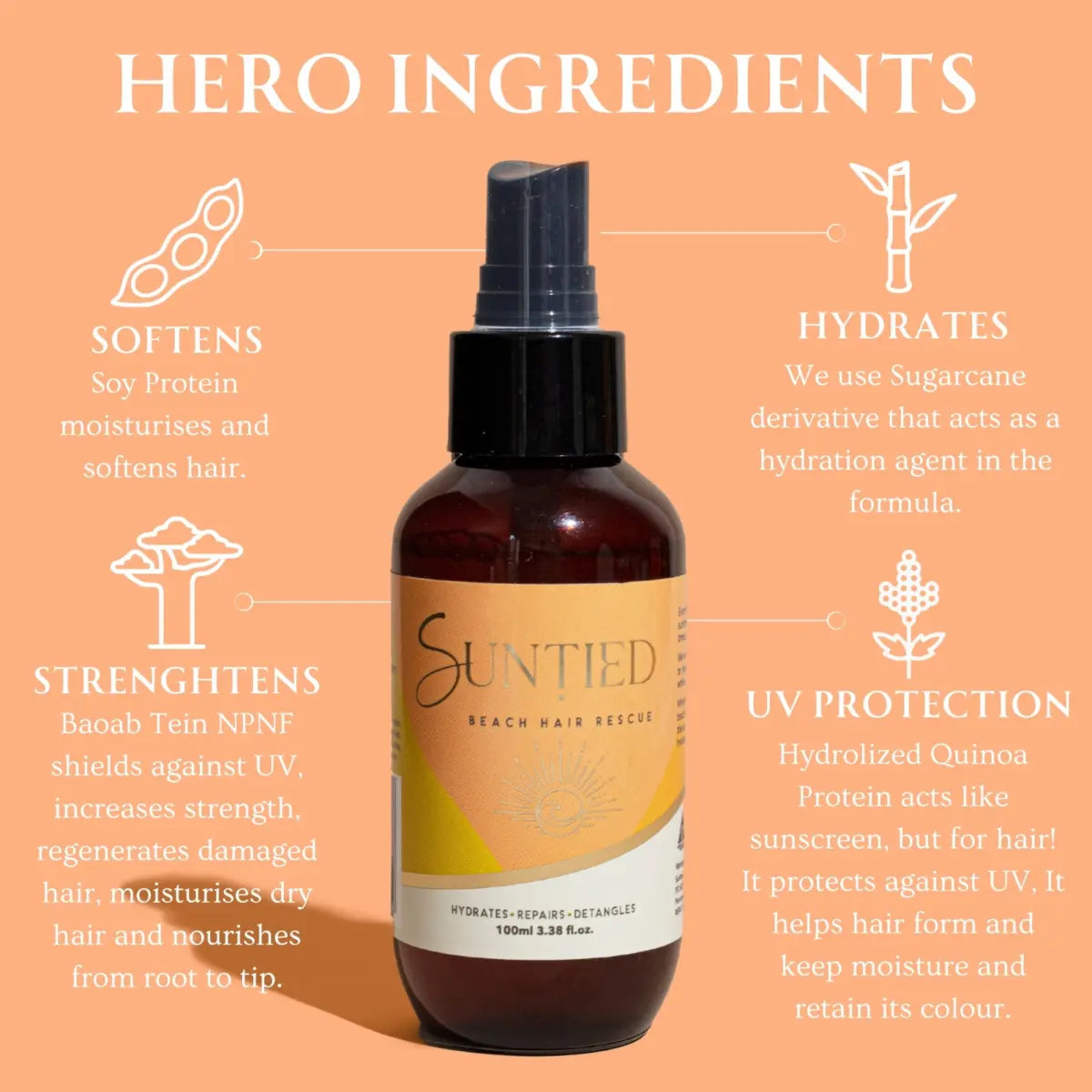
- Use Suntied leave in conditioner and a heat protection agent before styling
Common Mistakes That Worsen Frizz
- Overusing protein without adding hydration
- Skipping conditioner
- Air drying in humid conditions without protection
- Using high alcohol styling products
Strategic Product Integration
To effectively control frizz, combine structural repair with environmental protection.
A complete system should include:
- A ceramide repair conditioner to smooth the cuticle
- Suntied leave in Conditioner to balance protein, hydration and seal the fiber
- Replace cotton towels with microfiber to minimize friction damage and preserve the fiber's structural alpha-helix content.
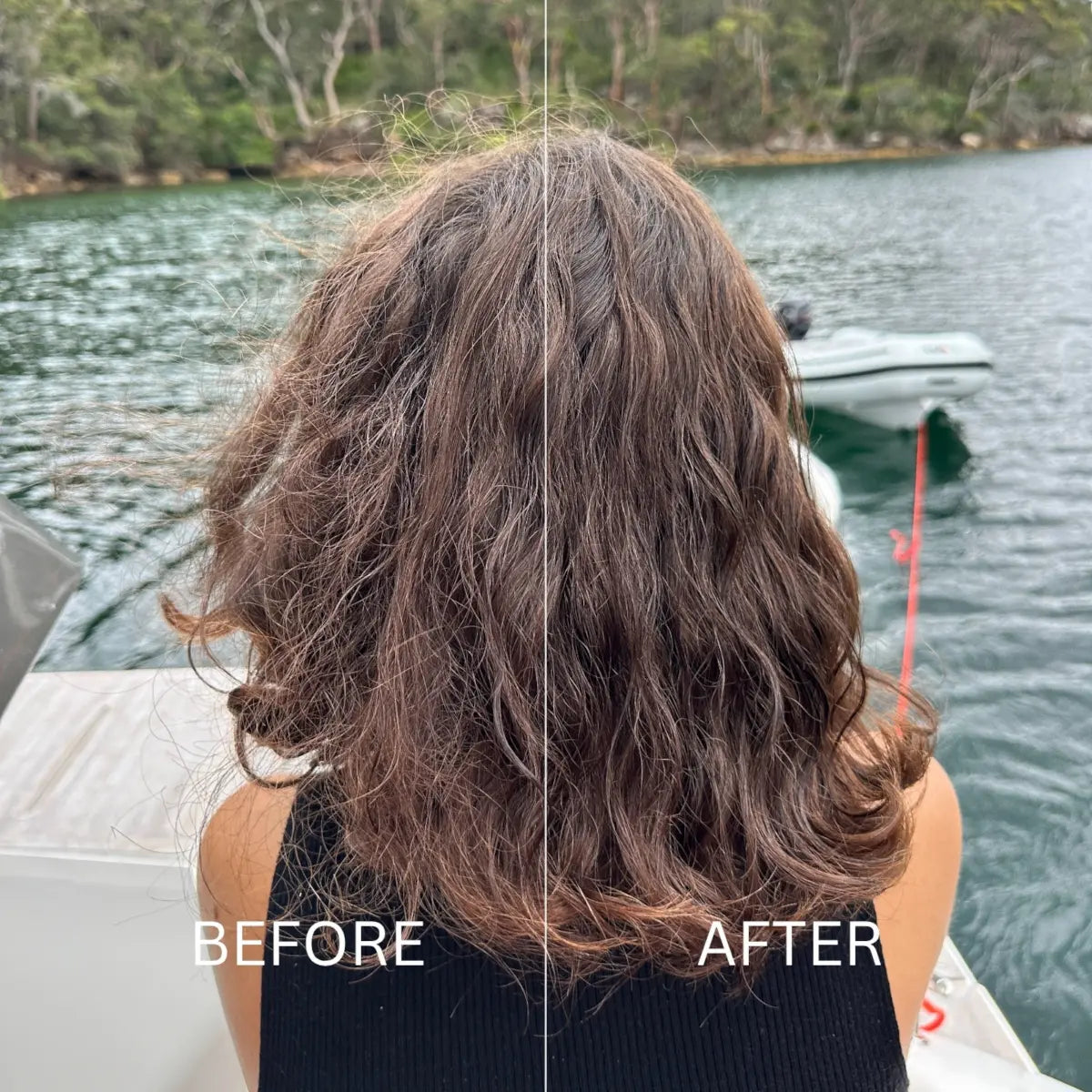
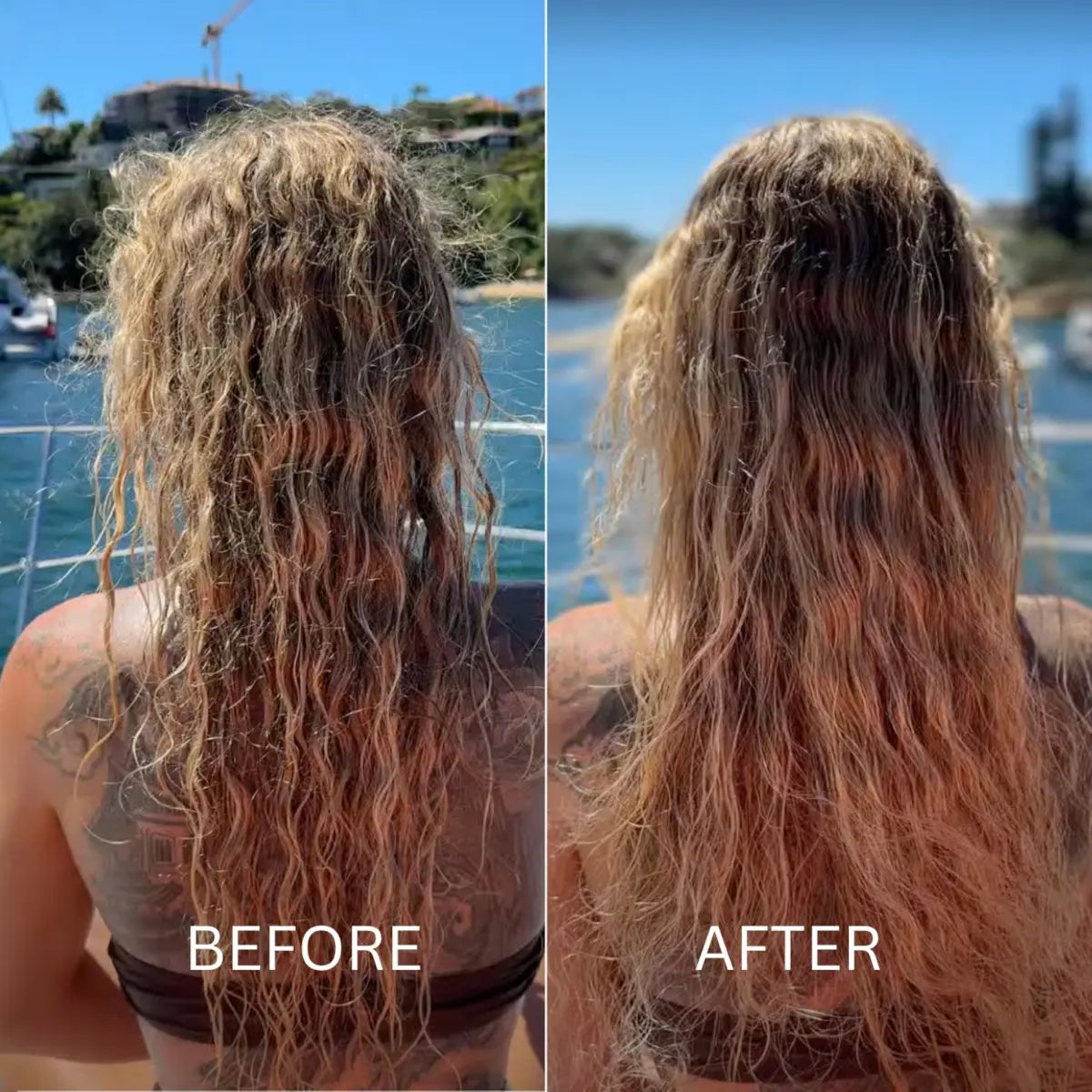
When used consistently, this layered approach stabilizes the strand and dramatically reduces reactive frizz.
Frequently Asked Questions
Why does my hair become frizzy after washing?
Water lifts the cuticle. If you do not reseal it with conditioning agents, the strand absorbs moisture from the air during drying.
Is frizz always caused by dryness?
No. It is usually caused by imbalance and environmental humidity response.
Can frizz be permanently eliminated?
You cannot change your natural structure, but you can consistently control its behavior with the correct routine.
Does anti frizz serum actually work?
Yes, when it contains film forming polymers or silicones that resist moisture absorption.
Take note:
Frizz is predictable. Predictable problems can be controlled.
When you repair the cuticle, rebuild the lipid barrier, and protect against humidity, frizz becomes manageable instead of frustrating.
Build your routine based on fiber science, not trends, and your hair will respond with smoothness and resilience.

Comments